Why Smart Lock Installation Requires More Than a Screwdriver
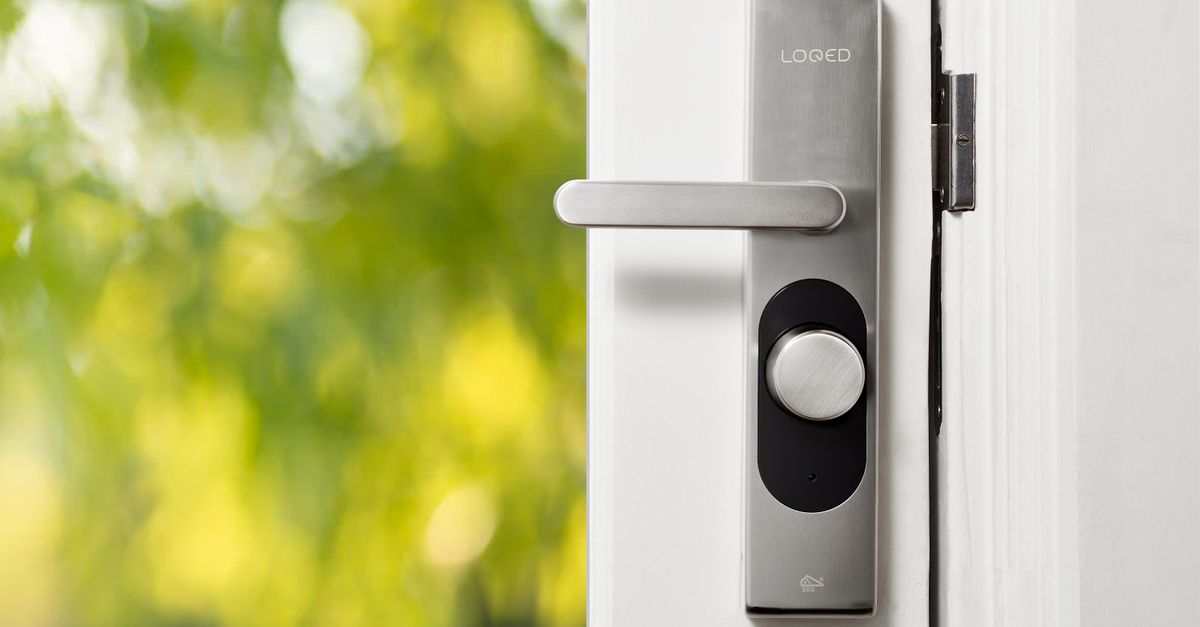
Modern keypad and app-based locks look deceptively simple in the box, but a clean, secure installation depends on door-prep details that most tutorials gloss over. The door edge must be perfectly square, the latch bore and deadbolt bore need to align within millimeters, and the strike plate has to be set deep enough to resist kick-in force. Get any of those wrong and even a $300 Schlage Encode or Kwikset Halo can rattle, misalign, or fail to lock entirely. Our technicians measure and verify all three checkpoints before a single screw is tightened, and we work damage-free wherever the door condition allows — meaning no splintered frames, no oversized holes, and no visible pry marks when we leave.
App-based locks also require Bluetooth or Z-Wave pairing, and many models demand a specific firmware version before they'll accept a hub connection. We carry the tools to update firmware in the field, pair the lock to your preferred smart-home platform (Google Home, Amazon Alexa, Apple HomeKit, SmartThings, and others), and walk you through adding household members as secondary users. That end-to-end setup is what separates a professional smart door lock installation from a DIY attempt that ends with a lock that only works when your phone has full signal.