What Happens to Your Locks During a Break-In — and Why It Matters
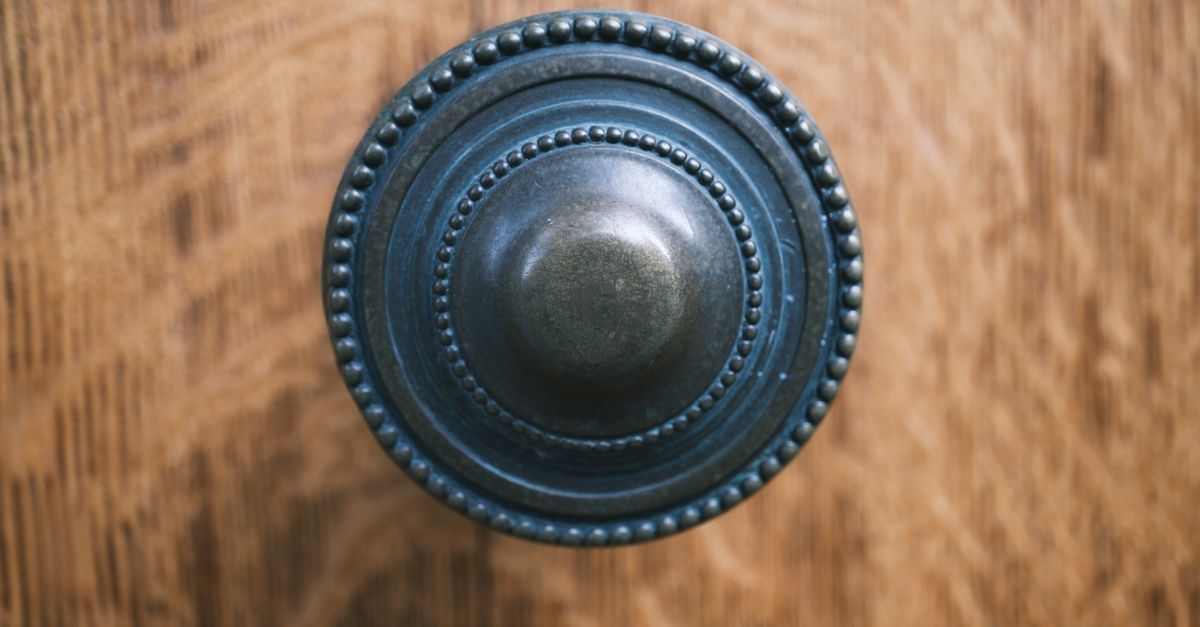
Most forced entries don't look the way they do in movies. Burglars rarely pick locks with finesse. Instead, they exploit the weakest mechanical point — a hollow-core door frame that splinters under a kick, a door knob lock whose latch bolt retracts under lateral pressure, or a mortise lock whose faceplate was never properly seated. Understanding the type of damage that occurred tells our technicians exactly what needs to be replaced versus what can be reinforced. A door knob lock that's been forced rarely looks destroyed on the outside, but internally the cam and tailpiece are often bent or sheared, meaning the lock provides zero security even if it appears to still turn.
Mortise lock damage is a different situation entirely. A mortise lock is recessed into the door body and integrates both a latch and a deadbolt in a single housing — making it a common choice for older Palm Valley homes with thicker wood doors, as well as commercial storefronts along U.S. 1 near the Palm Valley–Ponte Vedra boundary. When a mortise lock is forced, the damage can extend into the door itself, not just the lock hardware. Our technicians assess the pocket (the routed cavity inside the door), the strike plate, and the surrounding frame before recommending repair or full replacement. Skipping this assessment and simply swapping in a new lock without addressing frame damage is one of the most common — and costly — mistakes after a burglary.